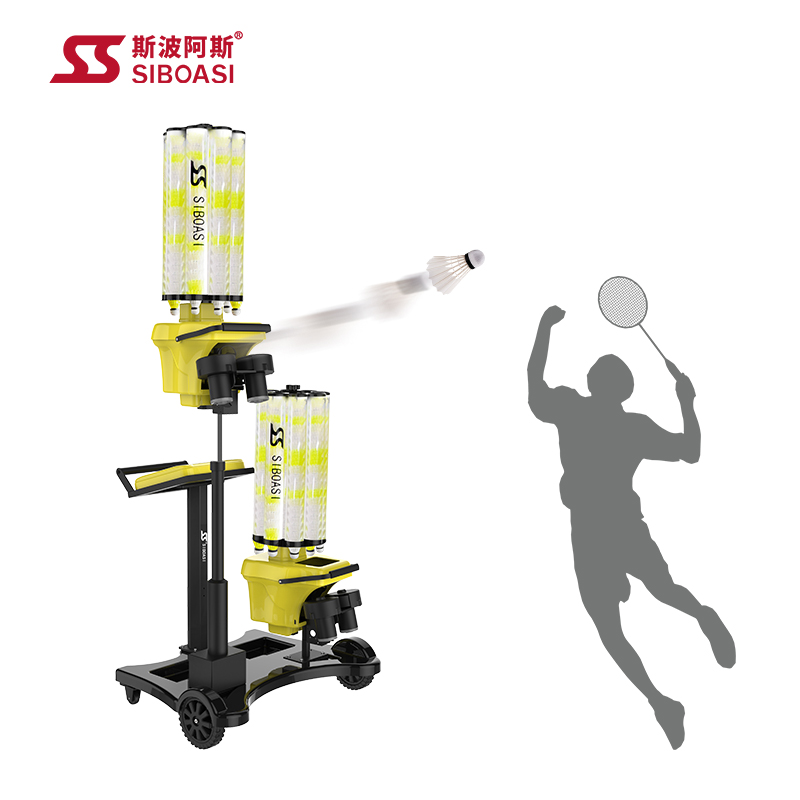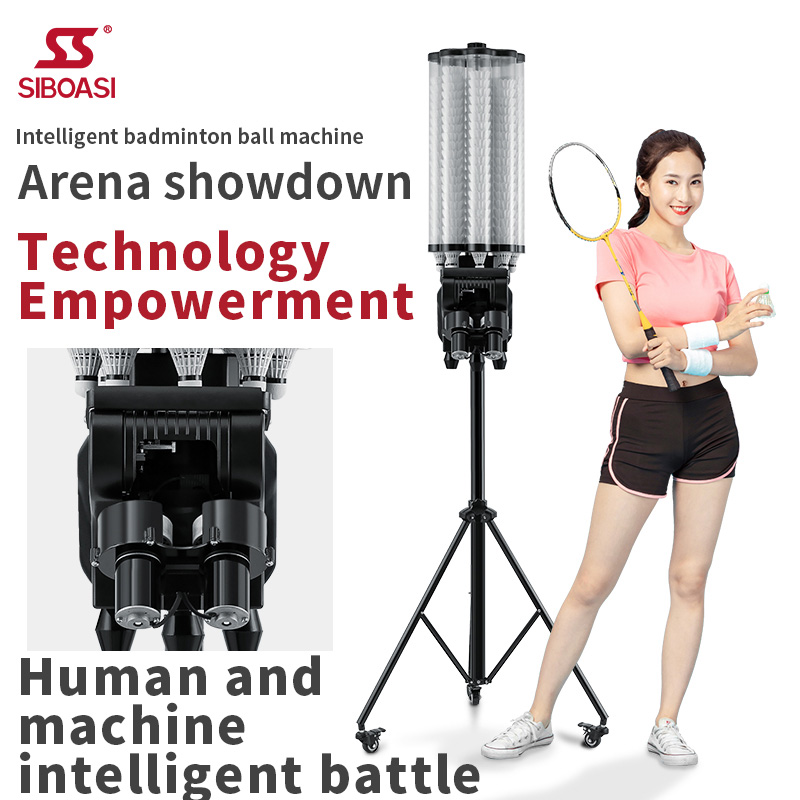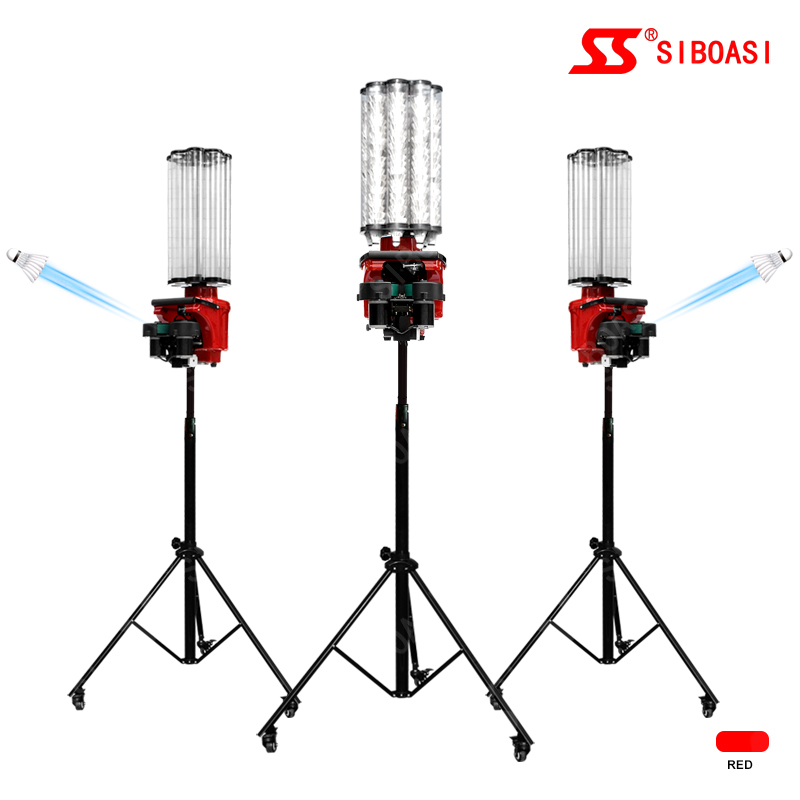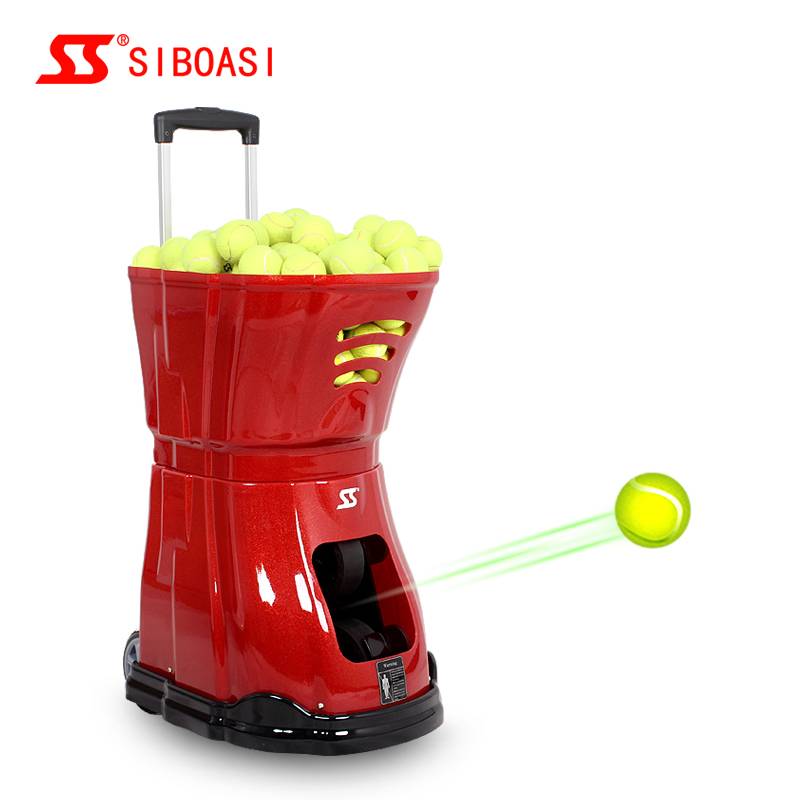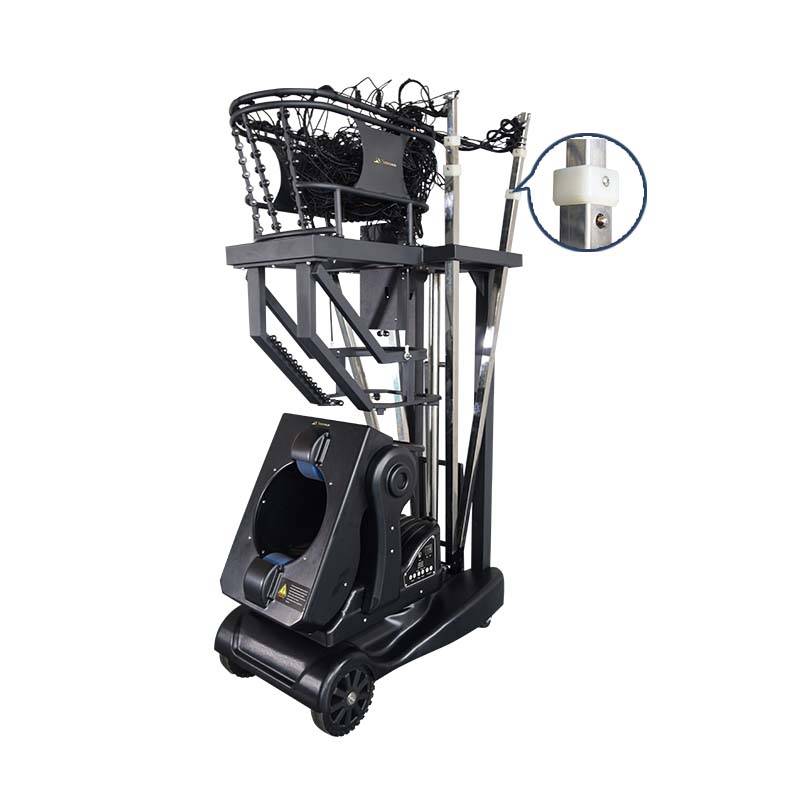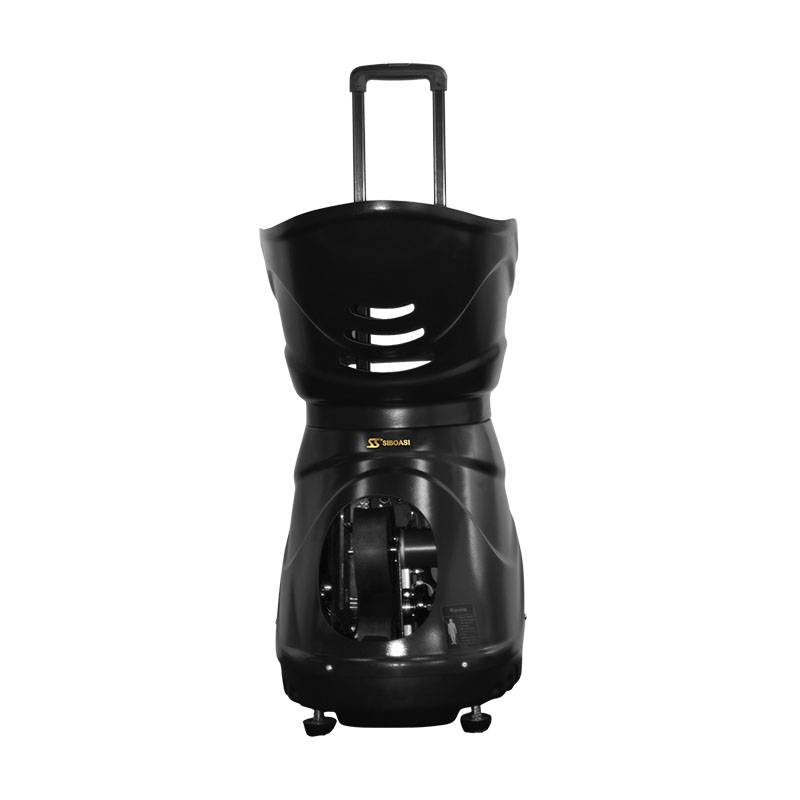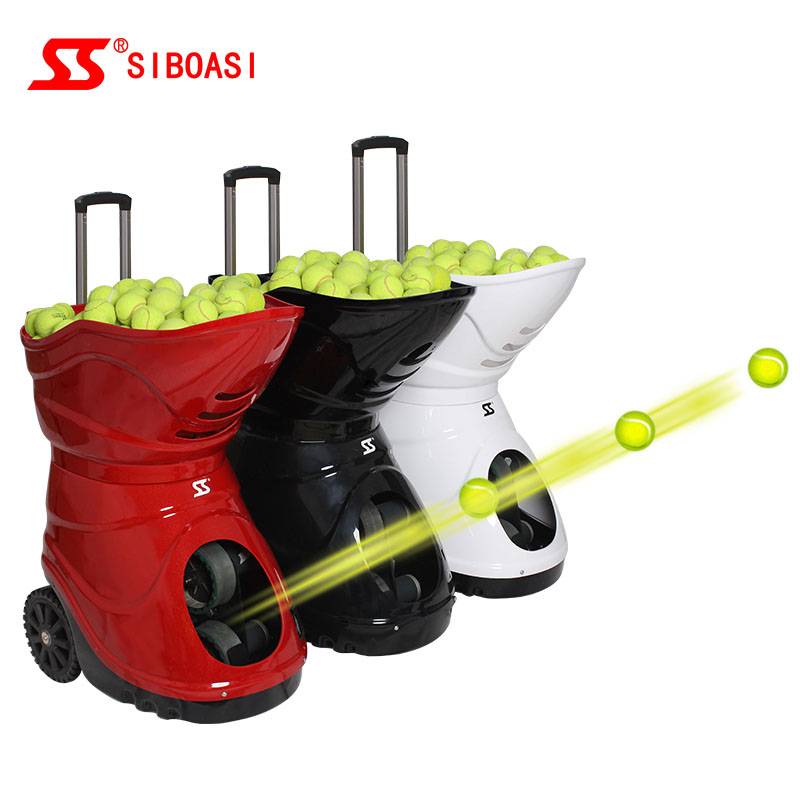
As a volleyball enthusiast and coach, I understand the importance of effective practice tools for improving skills. The Volleyball Self Practice Equipment I offer is designed specifically for athletes who want to practice independently, no matter their skill level. Sourced directly from trusted manufacturers in China, this equipment is durable and reliable, made to withstand rigorous training sessions. With adjustable components and user-friendly features, it enables players to work on passing, setting, and serving at their own pace. I’ve personally tested these products, ensuring they meet the high standards expected by serious athletes and coaches alike. Enhancing your training routine has never been easier, and these tools will truly help players elevate their game. Whether you’re a school program looking to boost your team’s abilities or an individual wanting to fine-tune your skills, this self-practice equipment is a smart investment for all volleyball players.
The volleyball self-practice equipment industry is poised for significant growth by 2025, driven by an increasing global interest in individual training and skill development. As athletes at all levels seek to improve their game, the demand for high-quality, innovative training tools has skyrocketed. The rise of technology-enhanced equipment, such as smart training aids and interactive tools, is transforming how players practice, making it easier to track performance and progress. This trend presents a golden opportunity for global buyers looking to source unique products that cater to the evolving needs of volleyball enthusiasts. In a market characterized by fierce competition, those who prioritize quality, durability, and user experience will stand out. With a focus on creating superior self-practice tools, manufacturers can capitalize on the growing trend of individual training sessions. Global purchasers should look for suppliers committed to research and development, ensuring that their offerings align with the latest coaching techniques and athlete preferences. By forging partnerships with innovative producers, buyers can not only secure top-tier products but also establish a strong market presence in their regions. Sustainability is also becoming a central theme in the sports goods industry, which adds another layer of consideration for global buyers. The integration of eco-friendly materials and manufacturing processes will resonate with environmentally conscious consumers. As we move towards 2025, those who recognize and adapt to these trends will be well-positioned to succeed in the dynamic landscape of volleyball self-practice equipment.
| Category | Annual Growth Rate (%) | Market Share (%) | Investment in R&D ($ Million) | Major Trends |
|---|---|---|---|---|
| Training Equipment | 10 | 25 | 15 | Tech Integration, Smart Equipment |
| Health Monitoring Devices | 12 | 15 | 20 | Wearable Technology, Data Analysis |
| Ball Training Aids | 8 | 30 | 10 | Customization, Portable Design |
| Coaching Tools | 9 | 20 | 12 | Video Analytics, Remote Coaching |
| Adaptive Training Gear | 15 | 10 | 8 | Inclusivity, Custom Fit |